Too Many Vegetables and a Jar for Kinks 😵
Welcome to Secret Breakfast / The best place to start looking into a mirror and find french bistrot, cheeseburger pies, romance novels, and Venn diagrams
Hi there!
I kinda revamped some elements of the newsletter for the new season. The palette is 99% inspired by the Fondazione Dries Van Noten posters in Venice.
(As always we amplify other people's great ideas, here).
New stuff is coming in the next weeks. Let's call it a "soft opening".
Piero

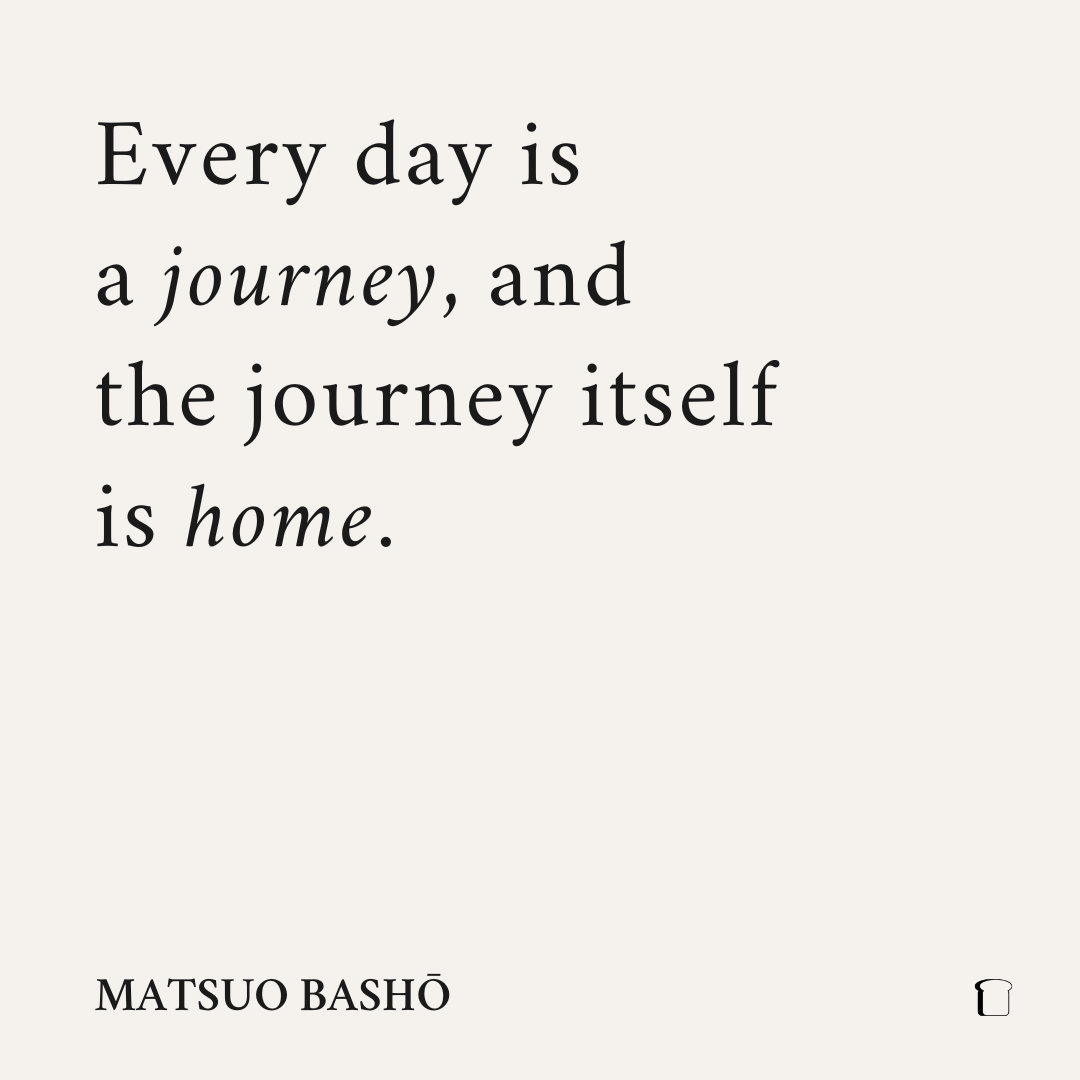
✹Matsuo Bashō, walking poet and author of things named like On Transplanting the Banana Tree and The Monkey's Raincoat, Continued.


A Gastronomic Insurrection in Paris
Le Chateaubriand, opened in 2006 at 129 Avenue Parmentier in Paris, is the restaurant that made bistronomy cool. Inaki Aizpitarte, a self-taught Basque chef who began by washing dishes in Tel Aviv, ran it with Frédéric Peneau and a band of disciples. They kept the 1930s brasserie intact and served one daily menu, with untucked shirts and a photocopied sheet for a carte. Their casual, bold cooking helped open the way for a generation of chefs such as Bertrand Grébaut and Sven Chartier. The recognition was erratic: a place in the World's 50 Best, a surprise Michelin star in 2018, its withdrawal in 2021, and the 2024 book, now in English, records this "marathon" toward freedom through the voices of chefs, critics and regulars.
The Complete Works of Le Chateaubriand by François Chevalier and Stéphane Peaucelle-Laurens
→ Shortplot: 🔪 🪞 🇫🇷 🥩

The 30 plants per week vegetable indigestion
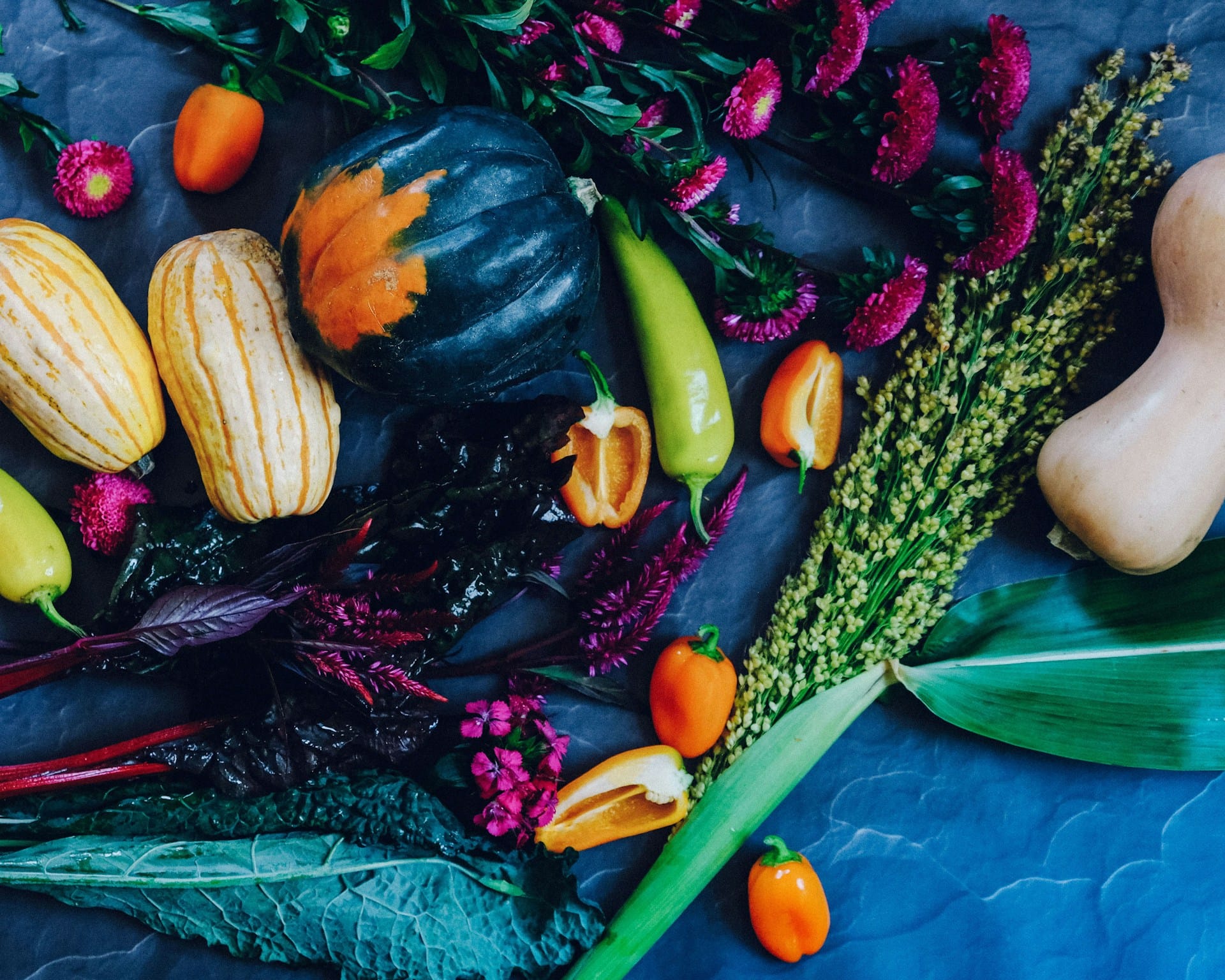
This thing bounced back to my feed a few days ago, and I remembered how many rules we have been handed to eat more vegetables.
"Five a day" came first, born in California, then adopted almost everywhere. Denmark raised it to six. Japan went for grams instead: 350 a day. Britain's researchers said seven portions, then ten. There was "eat the rainbow" for the visual types, and "fill half your plate" for the geometric ones.
Each rule was a number or a picture that could be counted at a glance. Now comes the "newest" one: 30 different plants a week (it's not really new). It started as a small 2018 comparison of gut samples from 85 adults. Those who ate about 30 plants had more diverse microbiomes than those who ate 10 or fewer. That is an association, not proof, we know that.
Anyway, a target can make a picky eater cook more freely. It can also make dinner anxious. I mean: does counting plants make us eat better, or does it turn dinner into a scoreboard? That said, my problem with vegetables is that they demand space in the kitchen, in the fridge and in your caring and cooking time. Somehow they elevate your cooking skills, but you have to play that game and follow their rules.
Unpacking the burrata and drop it on a slice of bread is a lot easier.


🍔Cheeseburger pies (★recipe) and 99 more recipes for the football season (★recipes) 🍹 The Best, Easy Nonalcoholic Cocktail Recipes for Sober October (★recipe) 🥬 Kalebonara, a Julia Turshen idea (★recipe) 🔥I might be in love with The Social Food newest popup kitchen🍦 Every US State's Signature Ice Cream Flavor based on 2025 Instacart orders 🧆 Charlie's Meatballs, Alison Roman's "natural" evolution of Goodbye Meatballs (★recipe) 🌸 Known as the corpse flower for smelling like rotting meat, the BBC Earth clip on the flower that stinks of death 🍰 We have Cake-themed nail art contests now 🥂 Is caviar losing its status as an elite delicacy? (it's a question-made-headline so the answer is "no way) 🍌 Should You Wash Bananas? Here's Why You Might Want To (spoiler: you don't) 🫂True friendship is allowing a certain level of ghosting to go unmentioned, says this NYT opinion piece about friendship and frequency of interaction
The Case for Cooking (Almost) Everything From Scratch
Isabel Christo / Grubstreet
Cooking dinner every night makes no sense on paper. It isn't cheaper or clearly healthier, and it costs time. The author does it anyway, as a ritual inherited from an Italian father and an American mother. Her answer comes from Simone Weil: food deserves respect, and cooking keeps her attention on it. Then comes the Tuesday sushi, enjoyed without guilt.
The Romance Novel+Cookbook Venn Diagram
Julia Turshen / Kepp Calm & Cook On
Romance novels and cookbooks are both dismissed as fluff and filed under "for women". Both keep publishing afloat, though. Turshen finds five more things they share: a happy ending, a reassuring formula, devoted readers, and desire. A recipe, she says, is just a set of sensory details. Her conclusion: if we are what we eat, we are also what we read.