Popcorn Ganache and Easter Baking 🐣

Welcome to Secret Breakfast / The best place to learn that your salted caramel mocha latte is destroying society and we didn't invent fermented foods — they invented us
Hi there!
A few days ago, the word whimsy started appearing everywhere on my feeds. Get-ready-with-me videos, pink home décor, TikTok creators adding playful touches to ordinary days.
Whimsy is bringing levity to life when you can. Reconnecting with what made you happy as a kid. Underneath the aesthetic, there's something real. The idea that small, intentional gestures of joy matter. That delight is a practice, not a mood.
Which made me think about – guess what? – food.
Because the kitchen might be where whimsy makes the most sense — and where we've most completely forgotten it.
We turned cooking into optimization: macros, meal prep, clean eating. But whimsy asks a different question entirely: what would actually delight someone?
It's the loose tooth pound cake nobody requested. Shirley Temples in your best glassware on a Tuesday. A candle lit before you start chopping.
Hosting, especially, is where whimsy gets its sharpest edge — a playlist that fits the mood so precisely it feels like a joke, potato chips served in your finest bowl (or – spoiler – stacked with fatty cured meat and salsa).
People don't remember the food exactly. They remember the feeling that someone thought about them before they arrived.
Piero

✹Hiroyuki Sanada in John Wick: Chapter 4. In the end, proximity is wasted on enemies.

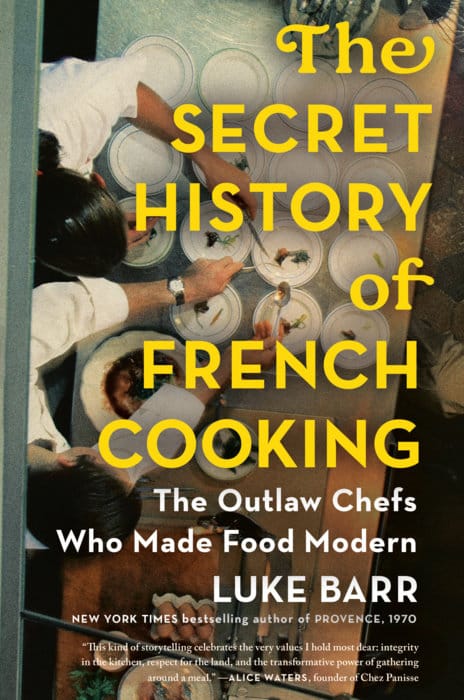
The Most Important French Revolution
French cooking had a revolution in the '70s — and like all revolutions, it involved enormous egos, suspicious sauces, and at least one man who smuggled pig bladders in his underwear. Luke Barr reconstructs the decade when Bocuse and his toque bros reinvented the chef as artist, while quietly keeping women out of the kitchen. Spoiler: the women were better cooks anyway.
The Secret History of French Cooking. The Outlaw Chefs Who Made Food Modern by Luke Barr
→ Shortplot: 🇫🇷 🍽️ ✊ 👩🏻🍳

Same week, two feasts. Don't pick a side
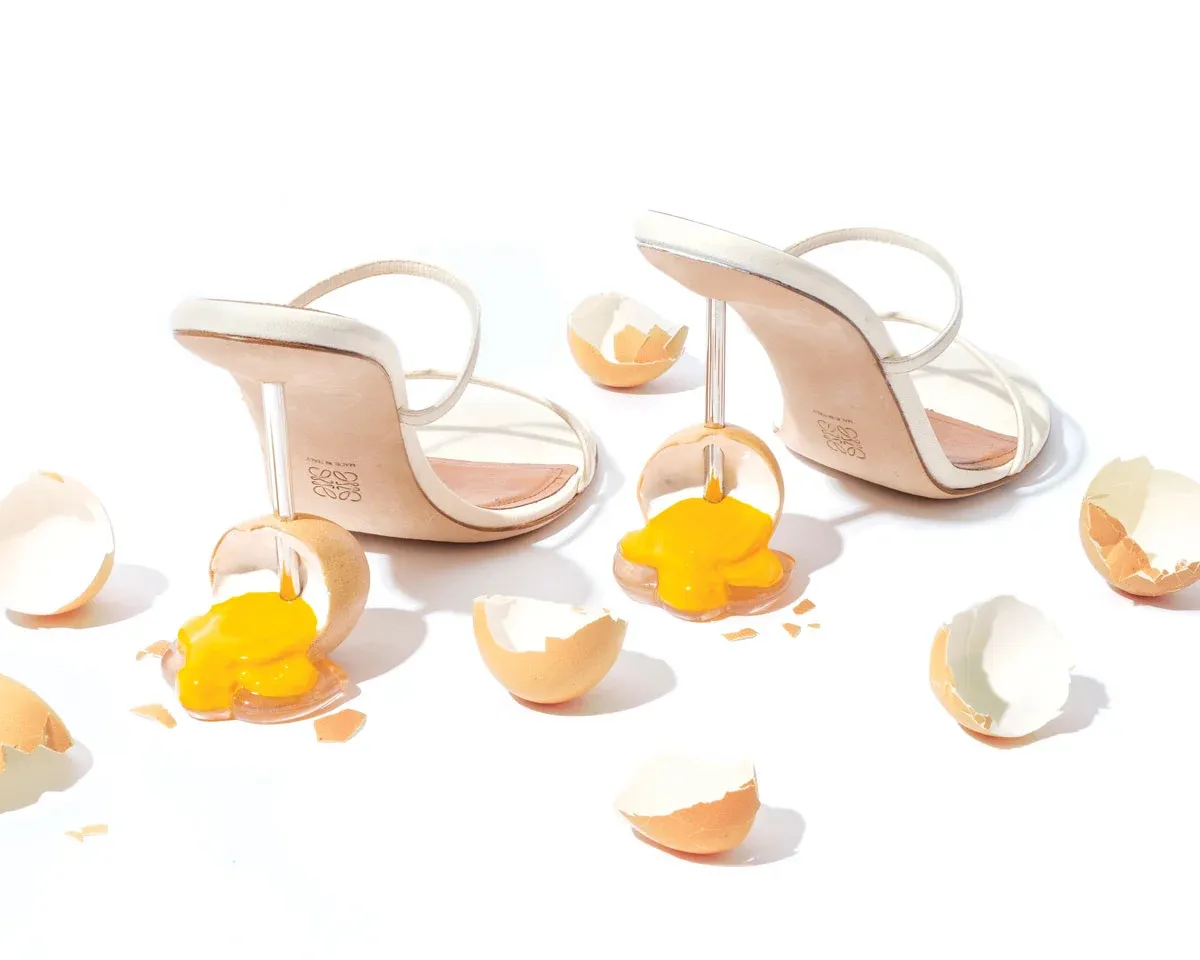
I often mix up Easter and Passover — and every year it costs me editorially. This April, two unmissable food moments land almost on top of each other:
- Passover runs from April 1 to April 8
- Easter falls on April 5
Which means the most food-obsessed weeks of spring, for two different traditions, are essentially the same week. Don't waste it.
I l∙o∙v∙e this collection of 48 Passover Recipes From Jewish Communities Around the World by the Jewish Food Society. It's not the boring Matzo Balls: you can have Persian Charoset With Pear, Banana, and Dates, West African Brisket, and an astonishing Mina de Espinaca (Matzah and Spinach Pie).
What about Easter? Here in Italy you change the menu from town to town. This year I think you could settle with some of these incredibly challenging treasures: Sicilian Timballo (★recipe) to wake up your inner Stanley Tucci, Fried lamb chops (★recipe), and Pastiera Napoletana (★recipe). Bonus: Cheese Bread from Umbria (★recipe), that you eat like bread with cured meat, wine, boiled eggs and more cheese (alternative - clearer - recipe here).
Enjoy the feast! Or join anybody feasting!

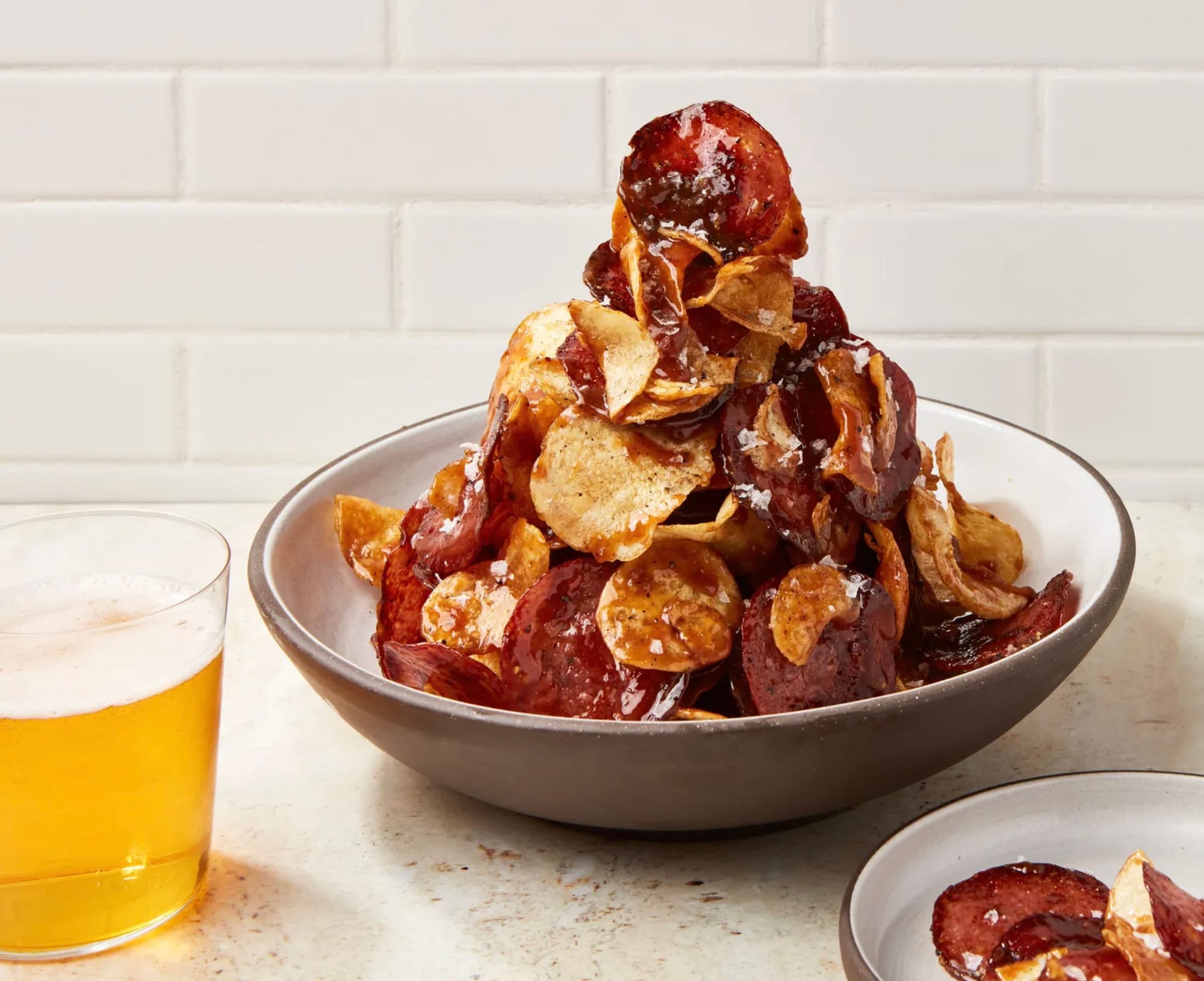

🍕 A shakshuka pizza! (★recipe) 🥗 Always Good Green Goddess Chicken Salad by Carolina Gelen (★recipe) 🍿Popcorn ganache bonbons by Nicolaas Kunst. 🌱 11 Foods You Might Think Are High in Protein but Actually Aren't 🫘 18 Essential Bean Ideas (★recipes) 🍟 Rotisserie chicken, puff pastry, and all the shortcuts that don't feel like shortcuts (★recipes) 🍫 Milk Chocolate Bark with Peanuts & Potato Chips (★recipe) 🥂 6 Cortisol Mocktails 🥔 🥐 Croissant ganache by Nicolaas Kunst (★recipe) 🧁 Those are conveniente: muffin-sized Basque cheesecakes (★recipe) 🍊 Sun-brewed Earl Grey orange tea by Abril (★recipe)

Culture Shift
Rachel Dutton / Asimov Press
We didn't invent fermented foods — they invented us. Or... Fermented foods didn't just feed us — they may have built us, shaping our immune system, our gut, and possibly even our brain over millions of years. Then, in about a century, the Western food industry quietly replaced all of it with sterile, shelf-stable alternatives. Now science is finally catching up — and the answers are stranger than anyone expected.
Your salted caramel mocha latte is destroying society
Jakub Grygiel / The Washington Post
A conservative political scientist argues that hyper-customized coffee orders are atomizing society. Specialty coffee consumption up 84% since 2011, loneliness epidemic growing — just a correlation? He doesn't think so. Italy's espresso bar culture, naturally, is the counterexample.