Hot Dips and Damned Choppelgangers 🌶️
Welcome to Secret Breakfast / The best place to start collecting bread tags, watching food doppelgangers, and melting gold on your risotto even if it has no flavor at all
Hi there!
You know what? It seems that luxury spending has shifted dramatically and "stuff" doesn't signal status anymore.
While handbag sales slump, fine dining jumped 7% and the matcha market is set to nearly double by 2033.
The data tells a sharp story: people aren't buying status symbols anymore—they're buying lived experiences.
A designer bag that hundreds of students bought in the same color feels dystopian; a table at a three-Michelin-star restaurant or first-flush tencha from Kyoto signals something no one can replicate.
Identity isn't telegraphed through what you own—it's broadcast through what you've tasted, where you've eaten, and how you've chosen to feed yourself.
Piero

✹Master Eiji, in Blue Eye Samurai, which I finally watched and enjoyed so much.

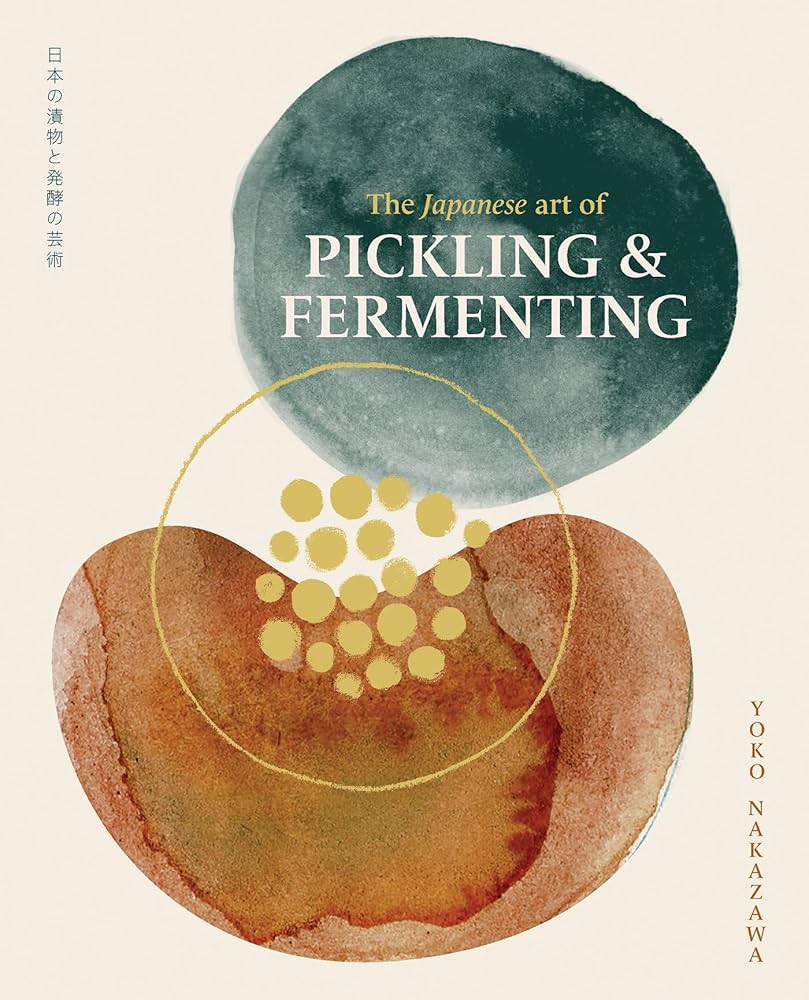
We're fermenting
Yoko Nakazawa grew up in rural Japan learning to preserve her family's vegetable harvest using ancient fermenting techniques, then carried those skills to Australia where she now teaches others. Her book explains the practical mechanics—salt ratios, chopping methods, fermenting times—while weaving in personal stories that transform technical instruction into something warmer. It's equal parts preservation manual and love letter to seasonal eating and generational knowledge.
The Japanese Art of Pickling and Fermenting: Preserving Vegetables and Family Traditions by Yoko Nakazawa
→ Shortplot: 🍑 🧂 🥒 🔪

Beware the "Choppelganger"!
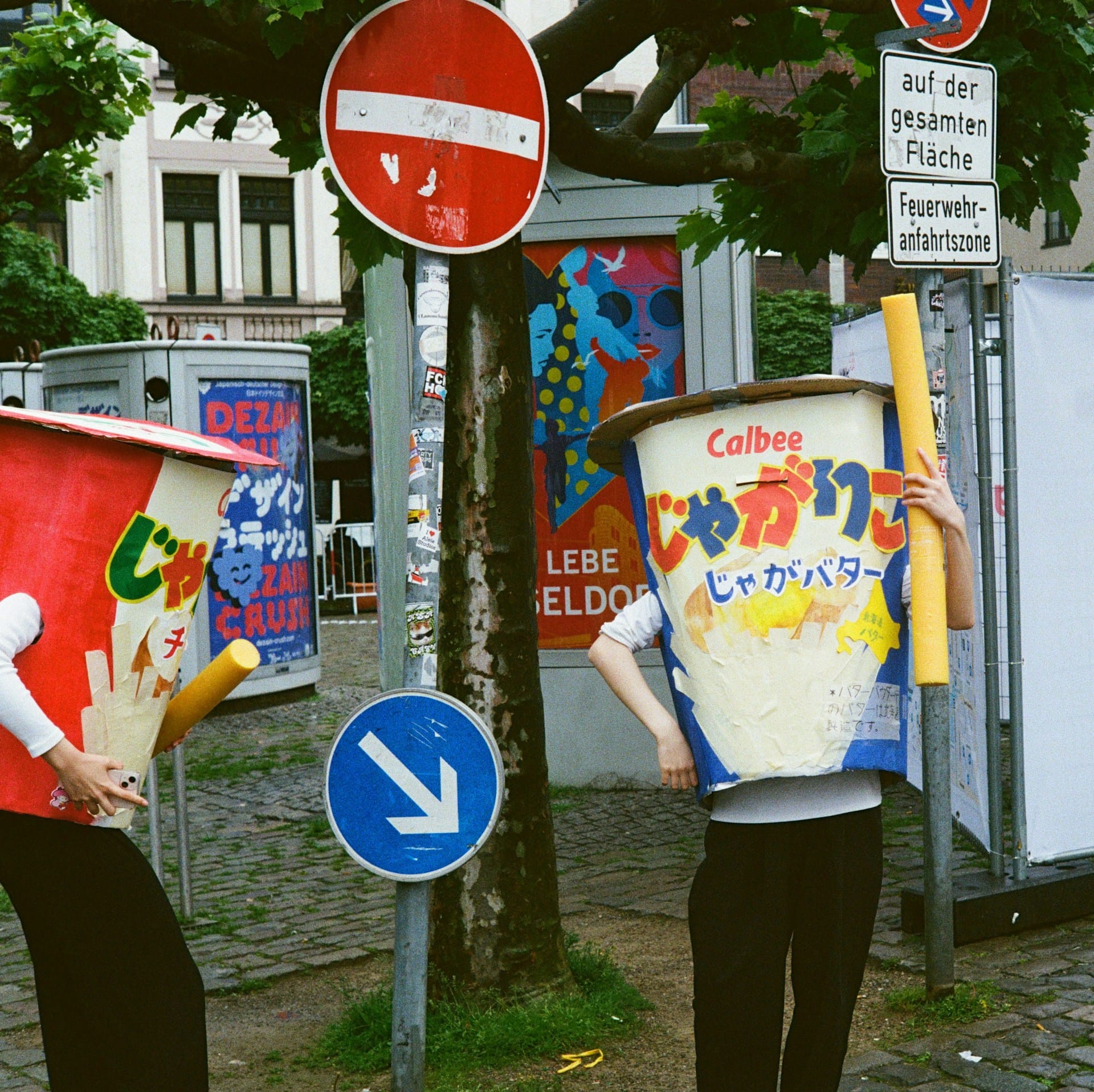
Choppelganger fuses "chopped" and "doppelganger" into Gen Z's latest weapon: it describes someone who looks like a celebrity but fell through the Canva version of genetics.
Think discount bin, not boutique. The term thrives on TikTok as a brutal compliment disguised as observation. But stretch it beyond faces.
Margarine is butter's choppelganger—same yellow promise, zero soul. Instant ramen pretends it's tonkotsu but tastes like regret in a Styrofoam cup. Canned "Parmesan" is the criminal here, that sawdust they sell next to pasta that insults actual Parmigiano-Reggiano.
Yet some choppelgangers exceed their originals: Oreos obliterated Hydrox, the cookie they copied. Sometimes the knockoff wins, and that's the twist—being a choppelganger isn't always the insult. Sometimes it's evolution.


🇺🇸In these troubled days G. Daniela Galarza wrote an issue of Eat Voraciously about Minnesota ❎12 Distractions to Leave Behind in 2026 🥫20 Hot Dips to Get Your Party Started 🏷️ Whaaat? Bread-tags have become collectibles How micro-design is becoming the defining aesthetic of 2026 🇬🇧Eater's 38 Best Restaurants in London 🍲33 Hearty Winter Dinner Recipes to Make all Season Long 🔄How to Make Cooking Substitutions 🐖Make Butaniku no Shogayaki (Japanese Ginger Pork) 🍌Check this: Haru Hana Banana, a single tray containing gradient-like bananas at varying stages of ripeness 📖Your book aesthetic based on your Zodiac Sign 📺Eater made a series where they follow a rotating cast of chef friends on their rare day off: Burger Expert George Motz’s Favorite NYC Meals (That Aren’t Burgers)

How Bakers Survive Winter Mornings
Cake Zine
Bakers wake in darkness, driven by duty and small rituals: fuzzy sweaters, early-aughts rock, puzzles with strong coffee, gradual sunrise lamps. The winter mornings are brutal—3 a.m. alarms, frigid bike rides, the knowledge that without them, there's no bread for dinner service—but there's something sacred in those first solo hours before the world wakes. They survive on caffeine, carefully curated playlists, and one shared delusion: that waking up early ever gets easier (spoiler: it doesn't).
All That Glitters Is Edible Gold and Silver
Anikah Shaokat / Taste
Edible gold and silver have symbolized luxury for millennia—not for taste (they're flavorless) but for their supposed mystical powers and incorruptible perfection. Today's gilding craze hides a problem: fake "edible" metals laced with toxic copper flood online markets, while traditional craftspeople like India's Muslim pannigars fight to preserve ancient techniques against automation. Whether it's a $25,000 sundae or a $20 gold-dusted cone, we're chasing the same thrill: swallowing something precious to feel precious.