Against the chefs, against the foodies 🪖
Welcome to Secret Breakfast / The best place to start you personal war. This time vs Jamie Oliver, René Redzepi, and all the foodies out there
Hi there!
Apparently, war times call for culinary wars.
Some cool reading along this issue. Hope you like it.
Take care, don't be evil.
Piero

✹Michael Pollan has spent years circling the same questions — why we eat, why we alter our minds, what's actually happening inside them. His new book, A World Appears: A Journey Into Consciousness is where those threads finally converge.

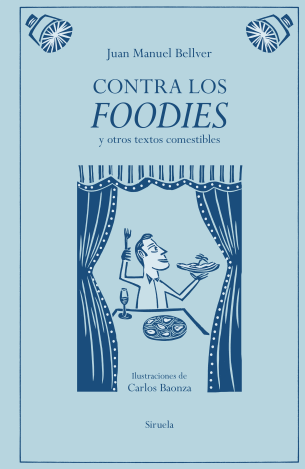
Against the Foodies
When did everyone become a food expert? Juan Manuel Bellver — journalist, Spain's National Gastronomy Award winner — has been watching the rise of the foodie with a sharp, slightly wicked eye. In Contra los foodies, he cuts through the noise: the Instagram plates, the chef worship, the performative eating. What he defends instead is food as culture, memory, and genuine pleasure. Less posturing, more conversation. Less spectacle, more truth. A witty, erudite takedown of culinary pretension — and a quiet manifesto for eating with your head, not your feed. Niche reading, don't underestimate.
Contra los foodies by Juan Manuel Bellver (🇪🇸 Spanish only, epub available)
→ Shortplot: 🍽️ 📱 ✂️ 📚

Nothing could be normal at Noma
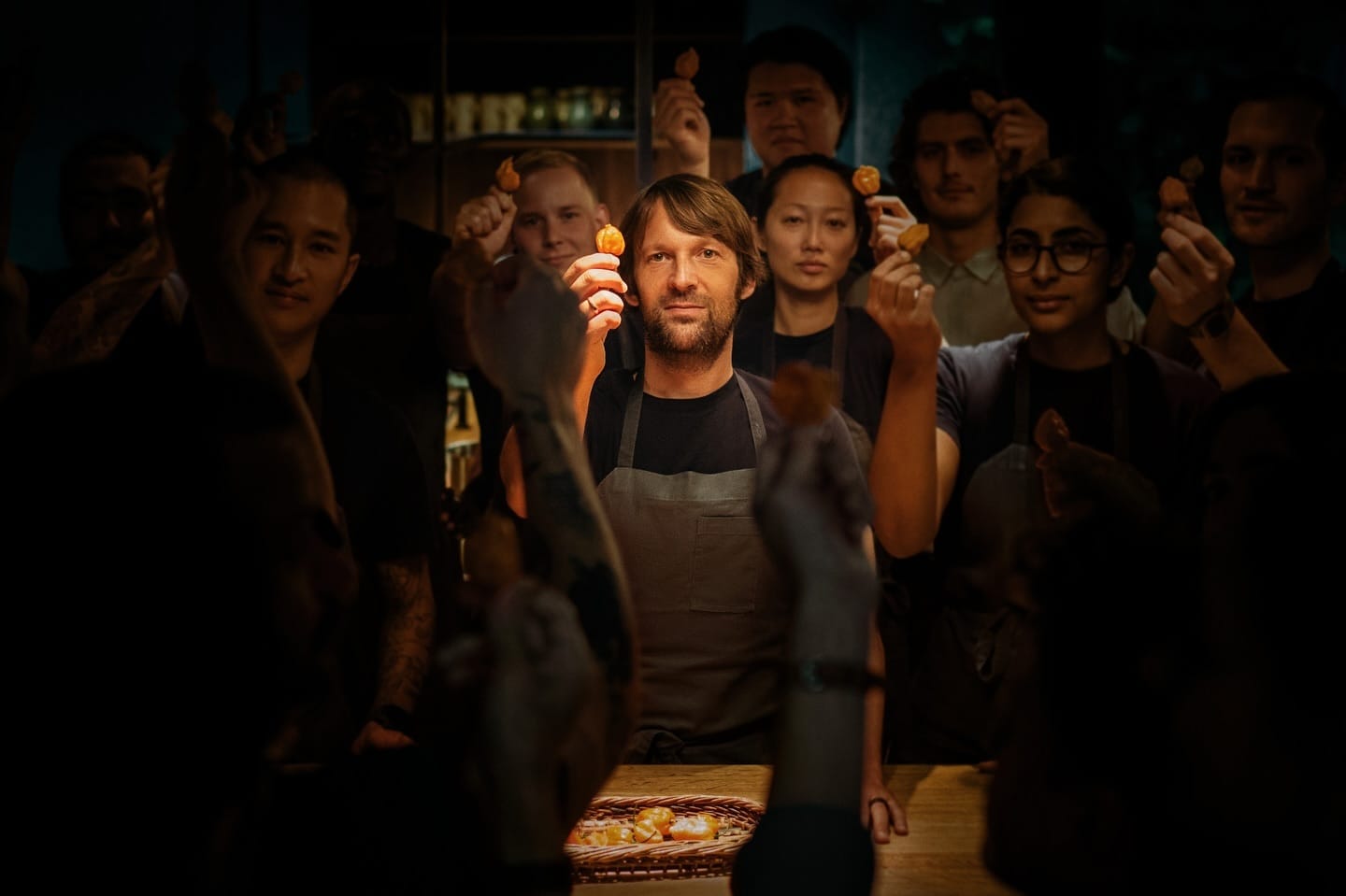
I've been to Noma. Paid out of my own pocket. Also wrote something enthusiastic about that.
For those who don't know: Noma is a Copenhagen restaurant that, since 2004, has rewritten the rules of fine dining — five times ranked number one on the World's 50 Best Restaurants list, three Michelin stars, and the place that single-handedly put New Nordic cuisine on the global map.
Redzepi didn't just cook. He changed the conversation: foraged ingredients, fermentation, hyper-local sourcing, insects as a condiment. I watched the jars of deer brain garum, lived each course like something I couldn't quite name.
Reading Redzepi's books — and the books written about him — the stress was more than legible between the lines, a current nobody mentioned out loud. When the testimonies started appearing on social media, I waited. I wanted a real investigation, verified sources, documented facts. The New York Times delivered with Julia Moskin, who worked years on this feature (also, read her answers in the comment section).
The picture that emerges is precise and heavy: punches to the ribs, kitchen implements used to jab cooks during service, ritualized public humiliations, threats to have families deported or wives fired.
Thirty-five former employees interviewed, a pattern spanning nearly a decade. Redzepi responded with a statement that admits "enough" to acknowledge the harm, without recognizing all of it.
The fact that certain behaviors are now called by their actual name — violence, abuse, systemic toxicity — is real progress. Not obvious, not automatic. It took people with the courage to speak, and journalism that did its job.
One uncomfortable question remains, though, turning in my head since I read the piece. How do you turn Copenhagen — a city of flavorless sausages — into the European capital of food? How do you put foraging, fermentation, ants instead of lemon back at the center of the world's attention? Probably not with well-balanced people, reasonable hours and a functioning HR office.
History, at least so far, has handed us this version: that certain radical changes are produced by outsized personalities, sometimes borderline, sometimes worse. That's not a justification. It's a contradiction worth sitting with — because the genius and the damage, in this case, came from the same place.
PS: Noma answered.
Bonus: some good sense rules to keep it supportive without lowering the standards

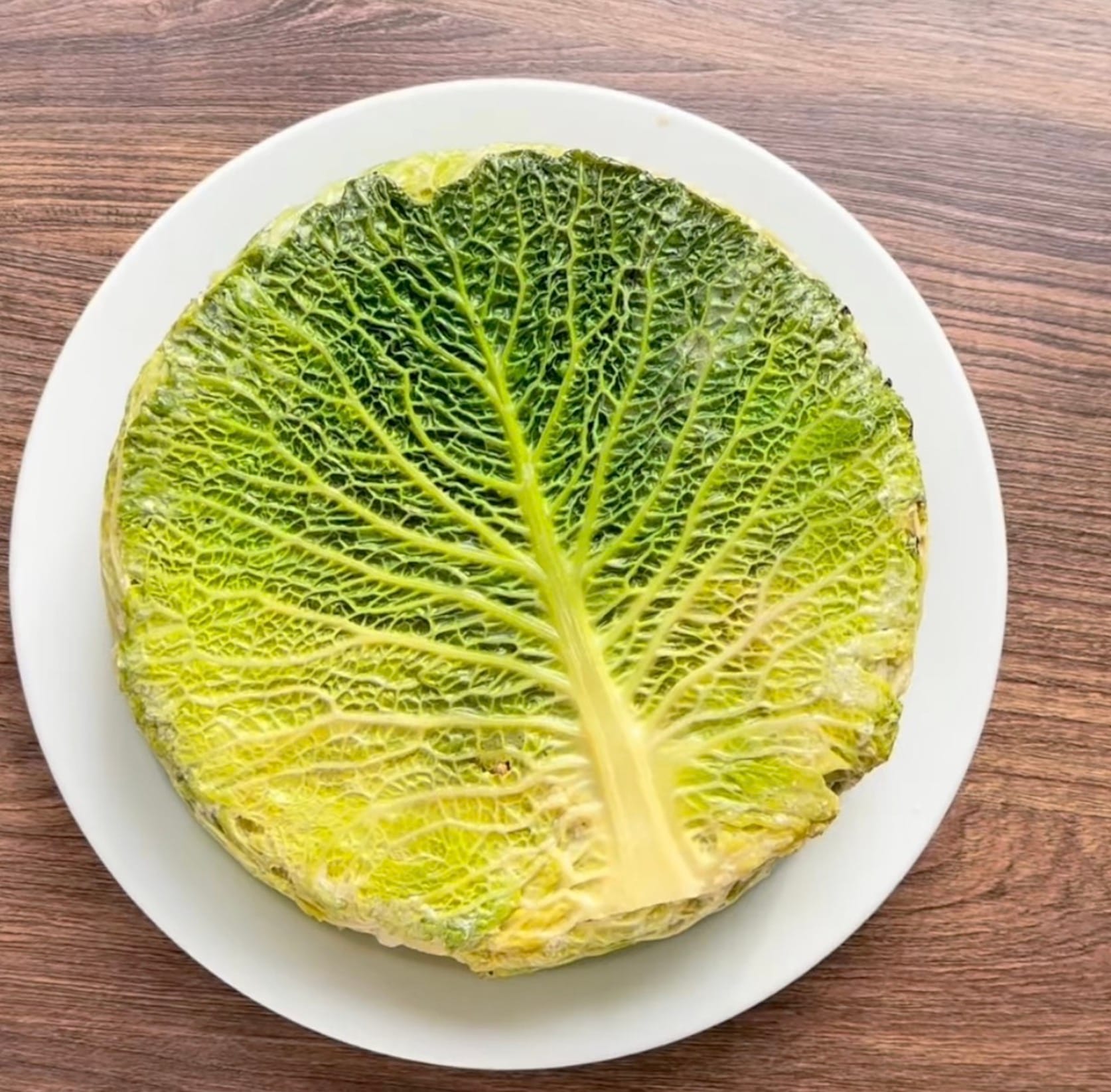

🥩Sesame beef, and 19 more weeknight winners (★recipes) 💬The stranger secret: how to talk to anyone – and why you should 🇨🇳China Is Developing a Taste for Fake Meat 🍍How to Make Any Kind of Sour Frozen Fruit 🗼A cool collection of food places in Tokyo, Japan 🥘From a one-pan chicken and rice bake to gooey cookie dough bars 9 Weeknight Recipes from Our Favorite Cookbooks of Winter 2026 (★recipes) 🐻‘The Bear’ Is Ending With Season 5 🥬How an unappetizing shrub became dozens of different vegetables 👃🏼Smell is The Missing Sense in Modern Medicine ☔️I'm on a massive random manga diet, this week i completed Koi wa Ameagari no You ni (After the Rain), currently on Monster (suggestions are welcome)

What the Noma Controversy Means for Diners
Kat Kinsman / Food & Wine
A complete examination of the controversy surrounding Noma (again, sorry), detailing abuse allegations against renowned chef René Redzepi, the restaurant’s response, and what ethical dining means for customers today.
Bad People, Bad Food, Bad Place
Heather Parry / Vittles
A British writer from Rawmarsh, a working-class village near Rotherham, revisits the 2006 media frenzy when parents famously passed chips through school gates to protest a headteacher's sudden ban on outside food, inspired by Jamie Oliver's school dinners campaign. "Jamie Oliverism" is the author's shorthand for a top-down, celebrity-driven approach to changing working-class eating habits.